
Hotel Property Improvement Plans (PIP) in Alberta: Condition Assessments & Capital Renewal
Need a building condition assessment to support a hotel PIP or capital renewal in Alberta?
Brookstone Inspection Services Ltd. inspects hotels and motels across Edmonton Metro, Calgary Metro and Central Alberta — guest-room sampling, common areas, food service, laundry, pools/spas where present, and building-wide mechanical, electrical, plumbing and life-safety systems. CCPIA-certified inspectors perform the fieldwork; APEGA-licensed Professional Engineers review and stamp reports. Scope is set in writing, including whether you need a hospitality-focused commercial inspection or an ASTM E2018-24 Property Condition Assessment for lenders and ownership.
Request a Hotel Condition Assessment Quote → · or call 587-333-5530
A Property Improvement Plan (PIP) is the brand's punch list of upgrades, replacements and standards a hotel must meet to keep or gain a flag — while a condition assessment documents what the building's systems actually need for safe, reliable operation and capital planning. In Alberta, owners who treat the PIP as the only capital plan often discover mid-project that roofs, domestic hot water, PTAC fleets or life-safety systems were the real schedule drivers.
This guide is for owners, asset managers and general managers who must fund both brand requirements and building integrity. It covers how to use a condition assessment beside a PIP, what Alberta climate does to hospitality assets, what to sample on site, and how Brookstone scopes hotel work. See also our hotels / motels inspection service page.

What Is a Hotel PIP — and What Does It Not Tell You?
A PIP tells you what the brand wants visible and standardized: finishes, FF&E cycles, lobby looks, sometimes F&B and fitness standards. It does not automatically tell you the remaining life of the roof membrane, whether the domestic hot water plant can carry design occupancy, or whether the fire alarm panel clears annual inspection without deficiencies.
PIPs typically emphasize:
Guest-room finish cycles and FF&E replacement windows.
Public-space brand standards (lobby, breakfast, corridors, fitness).
Exterior curb appeal items and signage.
Sometimes technology and accessibility upgrades required by the flag.
PIPs often under-specify:
Roof and envelope integrity behind the new look.
Central or distributed HVAC capacity and remaining life.
Domestic hot water capacity for full occupancy.
Life-safety systems, sprinklers and egress realities.
Laundry, kitchen grease exhaust and back-of-house infrastructure.
Site drainage, paving and parking lot capital.
The villain for many Alberta owners is not the brand — it is funding cosmetic cycles while the building quietly fails the next winter or the next lender review. A condition assessment puts building risk on the same page as brand risk.
Why Do Alberta Hotel Capital Plans Break During a PIP?
Capital plans break when PIP line items, winter mechanical failures and lender/insurance requirements hit the same fiscal year without a merged schedule. Owners feel this as "we renovated the rooms and still had no hot water on the west wing."

Break Point 1: Rooms First, Infrastructure Last
Renovating soft goods while deferring PTACs, stacks and DHW feels faster for brand deadlines. Guests still feel the mechanical debt — and so do online reviews.
Break Point 2: Franchise Timelines vs. Alberta Construction Seasons
Roofing and envelope work have weather windows. A PIP date that ignores Alberta seasons creates temporary fixes that become permanent problems.
Break Point 3: Lender and Brand Talking Past Each Other
Refinancing often triggers a PCA just as a PIP arrives. Without one condition narrative, you pay twice for overlapping diligence and still miss conflicts between brand cosmetics and structural priorities.
Break Point 4: Sampling Blind Spots
Renovation pilots on the best-condition floor hide the worst stack. Condition assessments that sample across orientations, floors and room types catch that early.
Break Point 5: Records That Exist Only as Tribal Knowledge
Annual fire tags, backflow tests and grease-hood cleans may be on site in binders — or only in a GM's memory. Assessments that collect those records prevent "surprise" life-safety capital mid-PIP.
Anonymized pattern we see in hospitality fieldwork: ownership believes the property is "mostly done" after doors, PTACs and room renovations, while lenders still demand detailed condition reporting — the tension is the capital plan, not the inspector.
How Should a Condition Assessment Support a PIP?
Use the condition assessment as the building-truth layer under the PIP: merge both into one capital calendar with brand-critical dates and integrity-critical dates labeled. Neither document wins by default; the building and the flag both have veto power over a bad sequence.

Merge Method (Practical)
List PIP items with brand deadlines and rough costs (from the brand or your designer).
List condition findings with remaining life and Opinions of Probable Cost (from the assessment).
Tag each line Brand-only / Building-only / Both.
Sequence conflicts. Example: replace roof before heavy interior renovation if leaks threaten new finishes; upgrade DHW before opening more rooms on the same riser.
Create two views of the same plan. One for the brand (compliance path), one for ownership/lender (integrity and cash).
Re-check after each major project. Completed PTACs and roofs reset remaining life — update the calendar.
When the engagement is transaction- or lender-driven, scope an ASTM E2018-24 Property Condition Assessment. When ownership needs repair priorities and renewal timing for an owned hotel, a Building Condition Assessment framing may fit. Brookstone uses ASTM E2018-24 methodology for both labels; the written proposal sets emphasis and reliance.
What Should a Hotel Condition Assessment Sample in Alberta?
Hospitality assessments succeed or fail on sampling design: rooms, stacks, mechanical rooms, life safety and back-of-house — not only the lobby that photographs well. Agree the sample with the provider before the visit.

Guest Rooms and Corridors
Sample across floors, orientations and room types (king, double-queen, accessible, suites, kitchenette/pet rooms if present).
Note PTAC/VTAC condition, condensate issues, seals, fan noise and control response.
Corridor finishes, doors, and make-up air effectiveness.
Public and F&B
Lobby, breakfast, meeting rooms, fitness — finishes plus HVAC and grease/exhaust interfaces where food service exists.
Accessibility observations relevant to brand and code conversations (not a full ACA audit unless scoped).
Back of House
Laundry (washers, dryers, exhaust, lint management, flooring).
Housekeeping and storage moisture issues.
Kitchen hoods, suppression and grease duct access if applicable.
Building Systems
Roof membranes/metal roofs, flashings, drainage.
Central boilers/DHW or distributed water heating capacity.
Electrical distribution and panel capacity for renovations.
Elevators and chair lifts.
Fire alarm, sprinklers, extinguishers, emergency lighting, egress.
Pool/spa mechanical and enclosure moisture where present.
Site
Parking lots, sidewalks, drainage toward the building, exterior stairs and lighting — Alberta freeze-thaw and salt show up here first.
How Does Alberta Climate Hit Hotels Harder Than a Generic PIP Assumes?
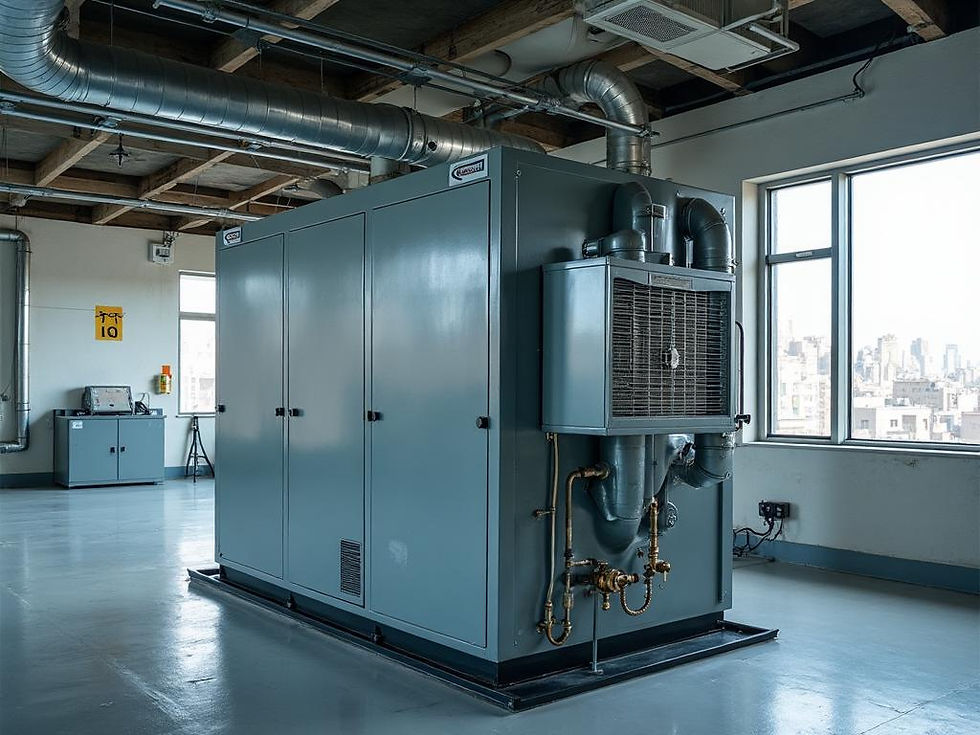
Alberta climate shortens the life of roofs, PTACs, entry systems, parking lots and heating plants relative to mild-climate brand timelines. A PIP written for a national template will not mention Chinooks or −30 morning starts — your capital plan must.

Freeze-thaw at entries and parkades. Vestibules, sidewalks and any parking structures take repeated damage; trip hazards become brand and liability issues together.
PTAC winter stress. Cold climates punish seals, condensate management and backup heat strategies; "replace on finish cycle only" is a guest-comfort gamble.
Hail on low-slope roofs. Hospitality roofs often carry RTUs and many penetrations — flashings and curbs are capital, not cosmetics.
Chinooks (south). Rapid swings around Calgary Metro stress membranes and window perimeters between guest-room renovation waves.
Domestic hot water peaks. Full winter occupancy plus breakfast and laundry loads expose undersized or end-of-life DHW plants quickly.
Corridor ventilation. Make-up air and exhaust balance affect smoke control narratives and guest odour complaints — both show up in reviews and inspections.
What Documents Should Hotels Gather Before a PIP-Driven Assessment?
Bring brand and building paperwork to the same table before the inspector arrives. Missing records create artificial findings and change orders later.
Gather:
Current PIP letter/spreadsheet and brand deadlines.
Prior PCA/BCA/inspection reports and capital plans.
Roof warranties, leak logs and contractor invoices.
PTAC/HVAC service contracts and replacement invoices.
DHW/boiler maintenance logs and capacity notes.
Elevator maintenance contracts and recent callbacks.
Fire alarm, sprinkler, backflow and kitchen-suppression inspection reports/tags.
Pool/spa inspection records if applicable.
Franchise property improvement correspondence and any lender checklists.
As-builts or unit stacks if available (even partial plans help sampling).

How Do Owners Sequence Brand Work Against Building Integrity?
Sequence by risk to guests, brand deadline and weather window — not by which vendor called first. A simple rule set prevents most self-inflicted PIP pain.
Sequencing Rules That Work in Alberta
Dry building before new finishes. Active roof or envelope leaks before soft-goods installs.
Capacity before keys. DHW, electrical and HVAC capacity before adding rooms or meeting space load.
Life safety before lipstick. Alarm, sprinkler and egress deficiencies ahead of artwork and furniture packages.
Weather windows respected. Exterior work scheduled for Alberta seasons; interior packages can often flex around them.
Pilot the worst stack, not the best. Renovation prototypes should include a known-problem wing.
Leave contingency for discovery. Opening walls in 1980s–2000s hotels finds piping and wiring the PIP never priced — condition assessments reduce surprises but do not eliminate them.
Need targeted costing on a known repair set? Scope an Opinion of Cost Report. Need multi-year funding logic after the PIP wave? Consider a Capital Reserve Forecast.
What Does Brookstone Deliver for Alberta Hotels?
Brookstone Inspection Services Ltd. delivers hospitality-aware commercial inspections and ASTM E2018-24 assessments with guest-room sampling, back-of-house coverage and building-system documentation ownership and lenders can use beside a PIP. Reports are reviewed and stamped by APEGA-licensed Professional Engineers; field inspectors are CCPIA-certified.
Deliverables typically include:
System narratives covering structure, roof, envelope, interiors (sampled), mechanical, electrical, plumbing, fire protection and site.
Photo documentation of representative rooms and deficient conditions.
Opinions of Probable Cost and remaining-useful-life discussion when scoped.
Clear limitations (rooms not entered, roofs not accessed, operating constraints).
Optional alignment memo language in your proposal request if you want findings explicitly mapped against PIP categories — ask for that in writing up front.
We do not publish hotel inspection prices in this guide. Every property differs by room count, wings, pools, food service and access rules; fees are confirmed in a written proposal.

Limited-Service vs. Full-Service: What Changes in the Scope?
Alberta's limited-service and select-service hotels dominate many highway and suburban markets; full-service assets add F&B, meeting space and more complex central plants. The PIP language differs — and so should the condition assessment emphasis.
Limited / Select Service Emphasis
High PTAC/VTAC counts and corridor MAU performance.
Compact laundry and breakfast-area grease/odour management.
Exterior corridors or interior double-loaded corridors with different envelope risks.
Parking lots and entry freeze-thaw as guest-experience capital.
Full-Service / Conference Emphasis
Central plants, larger DHW and kitchen grease ducts.
Meeting-room HVAC diversity and after-hours setbacks.
More elevators and life-safety zones.
Higher FF&E interaction with mechanical access panels — renovations that bury valves create future assessment limits.
Tell Brookstone which product type you operate when requesting a quote. Sampling rates and mechanical depth follow from that, not from a generic "hotel" label.
Who Should Be in the Room When the Report Lands?
A PIP-aligned assessment fails if only the GM reads it, or only the asset manager does. Bring the people who control brand deadlines and the people who control cash to the same review.
Suggested review attendees:
Owner or asset manager (capital authority).
GM and chief engineer / maintenance lead (site truth).
Brand/project designer if PIP soft goods are mid-flight.
Lender advisor only when reliance was scoped — do not surprise a non-reliant party with expectations.
Review Agenda That Fits One Hour
Top ten integrity risks (building).
Top ten brand-deadline items (PIP).
Conflicts and recommended sequence.
Cash by year band.
Decisions: approve, defer with eyes open, or re-scope design.
Photographing a beautiful lobby after the meeting does not close life-safety or roof items. Assign owners and dates before everyone leaves.
How Do Online Reputation and Condition Quietly Connect?
Guests rarely write "remaining useful life" in a review — they write about heat, water, smell, noise and leaks. Those complaints are often the public face of deferred mechanical and envelope capital that a PIP finish cycle will not fix.
Condition findings that commonly show up as reputation risk:
PTACs that cannot hold setpoints on cold nights.
Hot-water complaints on upper floors at peak laundry/breakfast times.
Corridor odours from unbalanced exhaust or smoking-history rooms.
Stained ceilings that signal active or historic roof leaks.
Elevator downtime during check-in peaks.
You do not need the assessment to become a marketing document. You need it to explain why some reputation fixes are capital projects, not housekeeping training alone.
Franchise Deadlines Without Building Contingency
Brand cure periods are real. So are Alberta roofing seasons and equipment lead times. When a PIP cure date and a membrane replacement collide, start procurement on the building item immediately — even if soft-goods vendors are ready sooner. Paying a short brand extension (when available) is often cheaper than installing new carpets under an active leak. Your condition assessment should make that trade-off visible with dates and Opinions of Probable Cost, not with vague warnings.
If your ownership group holds multiple Alberta hotels, keep sampling and cost rules consistent across properties so PIP waves can be ranked like a small portfolio — the same discipline Thursday's FCI guide describes, applied to hospitality capital. Consistency is a capital tool, not just an admin preference.
How Do You Request a Hotel PIP-Support Assessment Quote From Brookstone?
Request a quote at commercial.brookstoneinspection.com or call 587-333-5530, and say you need a hotel condition assessment to support a PIP or capital renewal. Include room count, city, brand timeline, whether a lender is involved, and any pool/F&B/laundry scope.
Submit property basics (rooms, storeys, year built/renovated, amenities).
Share the PIP and prior reports so sampling and reliance are right the first time.
Confirm standards — commercial inspection vs ASTM E2018-24 PCA/BCA emphasis.
Receive a written proposal with fees, schedule and access plan.
Host the visit (keys, escorts, room sampling list) and use the report to merge brand and building capital.
Where Does Brookstone Inspect Hotels and Motels in Alberta?
Brookstone Inspection Services Ltd. provides hotel and motel condition assessments across Alberta, with commercial service pages for major markets. City pages support local search; this guide stays on PIP-aligned capital renewal.
We regularly work with hotel owners and managers in:
Prefer a quote first? Request a Hotel Condition Assessment Quote → · 587-333-5530
Who We Are
Brookstone Inspection Services Ltd. provides commercial property inspections and Property Condition Assessments for hotels, motels and other hospitality assets across Edmonton Metro, Calgary Metro and Central Alberta. Inspectors are CCPIA-certified; reports are reviewed and stamped by APEGA-licensed Professional Engineers. Hospitality scopes follow ASTM E2018-24 methodology when a PCA/BCA-level deliverable is selected, with sampling and systems set in the written proposal.
Don't fund a PIP that ignores the building Alberta weather already voted on.
Request Your Hotel Condition Assessment Quote → · 587-333-5530


Comments